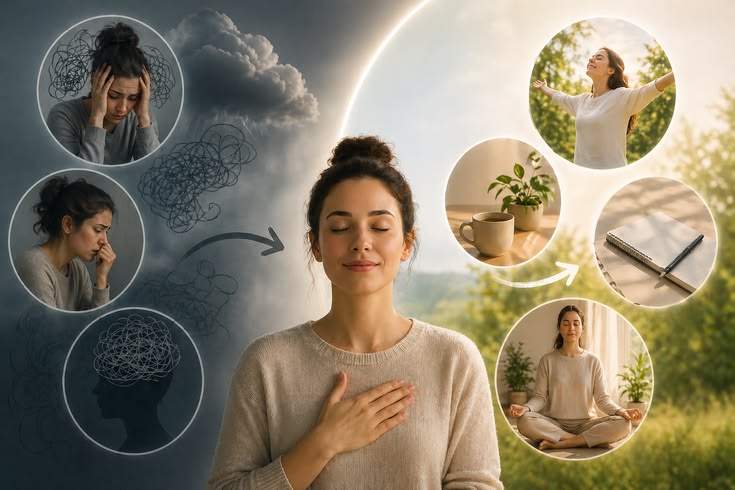
Life can feel overwhelming at times, but the right Stress Management Techniques can help you regain control and enjoy each day with more confidence. Whether your stress comes from work, school, family, or personal responsibilities, learning practical ways to manage it can improve both your mental and physical health.
Everyone experiences stress differently. Some people lose sleep, while others become irritable or struggle to focus. The good news is that stress is manageable when you understand what causes it and how to respond in healthy ways.
This guide shares simple and effective methods that anyone can use. You do not need expensive tools or complicated routines. Small daily habits often create the biggest improvements over time.
Understanding What Stress Really Means
Stress is your body’s natural reaction to challenges or demands. It prepares you to respond quickly in difficult situations. While short periods of stress can sometimes be helpful, ongoing stress can affect your health and happiness.
Common signs of stress include:
- Feeling tired even after sleeping
- Difficulty concentrating
- Frequent headaches
- Muscle tension
- Mood changes
- Poor sleep quality
- Feeling anxious or overwhelmed
- Changes in appetite
Recognizing these signs early makes it easier to take action before stress becomes a bigger problem.
Why Managing Stress Is So Important
Ignoring stress does not make it disappear. Instead, it can slowly affect different areas of your life.
Long term stress may lead to:
- Reduced productivity
- Lower energy levels
- Poor decision making
- Weakened immune system
- Relationship conflicts
- Digestive problems
- Higher risk of anxiety and depression
Managing stress is not about avoiding problems. It is about learning healthier ways to respond when challenges appear.
Stress Management Techniques That Can Change Your Daily Life
Every person is different, so it helps to experiment with different methods until you find what works best for you.
Practice Deep Breathing
Deep breathing is one of the fastest ways to calm your mind.
Take a slow breath through your nose for four seconds. Hold it for four seconds, then breathe out slowly through your mouth for six seconds.
Repeating this exercise for just five minutes can reduce tension and help you think more clearly.
Stay Physically Active
Exercise is one of the most effective natural stress relievers.
You do not need to spend hours in a gym. Simple activities can make a big difference.
Good options include:
- Walking in a park
- Cycling
- Dancing
- Yoga
- Stretching exercises
- Light jogging
Physical activity releases chemicals in your brain that naturally improve your mood.
Get Enough Sleep
Sleep gives your body and mind time to recover.
Many people stay awake worrying about tomorrow, which creates even more stress. Try creating a bedtime routine by turning off electronic devices, reading a book, or listening to calming music before sleeping.
Consistent sleep often leads to better emotional control during the day.
Build Healthy Daily Habits
Stress becomes easier to manage when your daily routine supports your overall health.
Start your morning with a positive habit instead of checking your phone immediately.
Drink water, stretch your body, and spend a few quiet minutes planning your day.
Small habits may seem simple, but they create lasting improvements over time.
Eat Foods That Support Mental Health
Your diet affects how you feel emotionally.
Choose foods that provide steady energy instead of quick sugar spikes.
Include:
- Fresh fruits
- Vegetables
- Whole grains
- Nuts
- Seeds
- Yogurt
- Lean protein sources
Drinking enough water throughout the day also helps maintain better concentration and energy.
Limit Too Much Caffeine
Coffee and energy drinks can increase feelings of nervousness if consumed in large amounts.
If you notice yourself feeling more anxious after several cups of coffee, consider reducing your intake gradually.
Replacing one cup with herbal tea or water can make a noticeable difference.
Organize Your Time More Effectively
Many people feel stressed simply because everything feels urgent.
Instead of trying to complete every task at once, create a simple priority list.
Focus on:
- Most important tasks first
- Breaking large projects into smaller steps
- Taking short breaks between tasks
- Avoiding unnecessary multitasking
Completing one task at a time creates a greater sense of achievement and reduces mental pressure.
Learn When to Say No
Many people experience stress because they accept every request that comes their way.
Helping others is important, but constantly ignoring your own needs eventually leads to burnout.
Politely declining commitments that exceed your available time is a healthy habit, not a selfish one.
Spend Time Doing Things You Enjoy
Your brain needs moments of relaxation just as much as it needs productivity.
Make time for hobbies such as reading, gardening, painting, cooking, photography, or listening to music.
Even thirty minutes spent doing something enjoyable can refresh your mind and improve your mood.
Stay Connected With Supportive People
Talking to someone you trust often reduces emotional pressure.
Friends and family may not solve every problem, but sharing your thoughts helps you feel understood.
Sometimes another person’s perspective helps you see solutions you had not considered before.
If you ever feel overwhelmed and want personalized guidance or have questions about improving your wellbeing, you can always reach out to us through our Contact Us page. Sometimes a simple conversation is the first step toward feeling better.
Spend Less Time on Social Media
Social media can be entertaining, but too much screen time may increase stress without you realizing it.
Constant comparisons with other people’s lives often create unnecessary pressure.
Consider setting daily limits for social media use and replacing some of that time with activities that genuinely relax you.
Practice Mindfulness Every Day
Mindfulness means paying attention to the present moment instead of worrying about the past or future.
You can practice mindfulness while eating, walking, or simply sitting quietly for a few minutes.
Focus on your breathing, your surroundings, and your thoughts without judging them.
Many people notice improved emotional balance after practicing mindfulness consistently for just a few weeks.
Create a Relaxing Evening Routine
Your evening habits influence how well you sleep and how refreshed you feel the next morning.
Choose calming activities before bedtime instead of stressful ones.
Reading, gentle stretching, writing in a journal, or listening to peaceful music can help your mind transition into a restful state.
A consistent routine signals your brain that it is time to relax, making it easier to fall asleep naturally.
Part 2 will continue with:
- Managing stress at work
- Helping children and teenagers manage stress
- Common mistakes people make while handling stress
- Long term lifestyle changes
- When to seek professional help
- Final actionable tips
- 6 SEO optimized FAQs
You have not enough Humanizer words left. Upgrade your Surfer plan.
What Is Stress?
Stress is your body’s natural response to challenges, pressure, or demanding situations. Whether you’re dealing with work deadlines, financial worries, family responsibilities, or personal struggles, stress affects both your mind and body.
A small amount of stress can motivate you to perform better. However, chronic stress can negatively impact your physical health, emotional well-being, relationships, and overall quality of life.
Learning effective stress management techniques helps you regain control, improve productivity, and enjoy life more fully.
Signs That Your Stress Level Is Too High
Stress doesn’t always appear in obvious ways. Many people experience symptoms without realizing stress is the root cause.
Physical symptoms include:
- Frequent headaches
- Muscle tension
- Fatigue
- Poor sleep
- Digestive problems
- Fast heartbeat
- Low energy
Emotional symptoms include:
- Anxiety
- Irritability
- Feeling overwhelmed
- Mood swings
- Lack of motivation
- Difficulty concentrating
Behavioral symptoms include:
- Overeating or loss of appetite
- Social withdrawal
- Increased screen time
- Procrastination
- Poor work performance
Recognizing these warning signs early allows you to take action before stress becomes overwhelming.
Why Managing Stress Is Important
Ignoring stress for long periods may contribute to:
- High blood pressure
- Heart disease
- Depression
- Anxiety disorders
- Weakened immune system
- Weight changes
- Sleep disorders
- Reduced productivity
Managing stress isn’t about eliminating every challenge from life. It’s about developing healthy ways to respond to those challenges.
1. Practice Deep Breathing
Deep breathing is one of the quickest ways to calm your nervous system.
When you’re stressed, your breathing becomes shallow and rapid. Slow breathing sends signals to your brain that you’re safe, helping your body relax.
Try this simple exercise:
- Sit comfortably.
- Inhale through your nose for four seconds.
- Hold your breath for four seconds.
- Exhale slowly through your mouth for six seconds.
- Repeat for five minutes.
Many people notice reduced stress almost immediately.
2. Exercise Regularly
Physical activity is one of the most effective stress relievers available.
Exercise releases endorphins, often called “feel-good hormones,” which improve mood naturally.
Great options include:
- Walking
- Running
- Cycling
- Swimming
- Yoga
- Dancing
- Strength training
Even a 30-minute walk can significantly reduce stress levels.
3. Improve Your Sleep Quality
Poor sleep and stress create a harmful cycle.
Stress makes it difficult to sleep, while lack of sleep increases stress.
To improve sleep:
- Go to bed at the same time every day.
- Avoid screens before bedtime.
- Keep your bedroom cool and quiet.
- Avoid caffeine late in the evening.
- Create a relaxing bedtime routine.
Adults generally need seven to nine hours of quality sleep each night.
4. Practice Mindfulness Meditation
Mindfulness means paying attention to the present moment without judgment.
Instead of worrying about the future or dwelling on the past, mindfulness teaches you to focus on what’s happening right now.
Simple mindfulness practices include:
- Guided meditation
- Body scan meditation
- Mindful walking
- Mindful eating
Just ten minutes daily can improve emotional balance and reduce anxiety.
5. Learn Time Management Skills
Many people feel stressed because they have too much to do and too little time.
Better time management helps reduce unnecessary pressure.
Helpful strategies include:
- Prioritize important tasks.
- Break large projects into smaller steps.
- Use a daily planner.
- Set realistic deadlines.
- Avoid multitasking.
Working smarter often reduces stress more than working harder.
6. Maintain a Healthy Diet
Food directly affects mood and energy levels.
A balanced diet supports brain function and helps regulate stress hormones.
Choose foods such as:
- Fruits
- Vegetables
- Whole grains
- Nuts
- Seeds
- Legumes
- Healthy fats
Limit excessive:
- Sugar
- Processed foods
- Soft drinks
- Alcohol
- Highly caffeinated beverages
Staying hydrated also plays an important role in maintaining emotional well-being.
7. Stay Connected With Friends and Family
Social support is a powerful stress buffer.
Talking to someone you trust can provide emotional comfort, new perspectives, and practical advice.
Healthy relationships help people feel understood, supported, and less isolated.
Even a short conversation with a close friend can improve your mood.
8. Take Regular Breaks
Working continuously without breaks increases mental fatigue.
Short breaks improve concentration and productivity.
Try the following:
- Stand up every hour.
- Stretch your muscles.
- Walk outside.
- Drink water.
- Rest your eyes from digital screens.
Small breaks throughout the day help prevent burnout.
9. Limit Social Media Consumption
Constant exposure to social media can increase stress, anxiety, and comparison with others.
To create healthier habits:
- Set daily screen-time limits.
- Turn off unnecessary notifications.
- Avoid scrolling before bedtime.
- Follow positive and educational content.
- Take occasional digital detox days.
Reducing screen time often improves mental clarity.
10. Practice Gratitude
Gratitude shifts attention away from problems and toward positive experiences.
Each evening, write down three things you’re grateful for.
Examples include:
- Good health
- Family support
- A successful workday
- Beautiful weather
- Learning something new
Research suggests gratitude can improve happiness while reducing stress.
11. Spend Time in Nature
Nature has a calming effect on the brain.
Walking in parks, forests, or gardens reduces mental fatigue and improves mood.
Simple outdoor activities include:
- Morning walks
- Gardening
- Hiking
- Sitting near lakes or rivers
- Watching sunsets
Even twenty minutes outdoors can make a noticeable difference.
12. Learn to Say No
Many people experience stress because they take on too many responsibilities.
Setting healthy boundaries protects your mental health.
You don’t need to accept every invitation, project, or request.
Politely saying no when necessary allows you to focus on what truly matters.
13. Listen to Relaxing Music
Music influences emotions and can help lower stress levels.
Calming genres include:
- Instrumental music
- Classical music
- Nature sounds
- Soft piano
- Meditation music
Listening during work breaks or before bedtime can promote relaxation.
14. Keep a Journal
Writing helps organize thoughts and release emotional tension.
A stress journal may include:
- Daily emotions
- Challenges
- Achievements
- Personal goals
- Gratitude entries
Many people discover patterns that help them identify major stress triggers.
15. Practice Positive Self-Talk
Negative thoughts often increase stress unnecessarily.
Replace self-critical statements with realistic and encouraging ones.
Instead of saying:
“I’ll never finish this.”
Try:
“I’ll complete one step at a time.”
Small changes in thinking can improve resilience over time.
16. Try Relaxation Techniques
Relaxation exercises calm both the body and mind.
Popular techniques include:
- Progressive muscle relaxation
- Guided imagery
- Meditation
- Deep breathing
- Gentle stretching
- Yoga
These practices help reduce muscle tension and improve emotional balance.
17. Laugh More
Laughter naturally reduces stress hormones while improving mood.
Watch a comedy movie.
Spend time with humorous friends.
Read funny books.
Enjoy light-hearted conversations.
Laughter acts as a natural emotional reset.
18. Set Realistic Expectations
Perfectionism often creates unnecessary pressure.
Accept that mistakes are part of learning.
Focus on consistent progress instead of unrealistic perfection.
Setting achievable goals reduces frustration and increases confidence.
19. Develop Healthy Hobbies
Hobbies provide mental relaxation and creative expression.
Examples include:
- Reading
- Painting
- Photography
- Cooking
- Gardening
- Music
- Crafting
- Writing
Spending time on enjoyable activities helps restore emotional energy.
20. Seek Professional Help When Needed
Sometimes stress becomes difficult to manage alone.
Consider speaking with a licensed mental health professional if stress:
- Lasts for several months
- Interferes with work
- Affects relationships
- Causes panic attacks
- Leads to hopelessness
- Makes daily activities difficult
Professional support can provide effective coping strategies and treatment when needed.
Daily Stress Management Routine
A simple routine can significantly improve emotional well-being.
Morning
- Wake up at a consistent time.
- Stretch for five minutes.
- Practice deep breathing.
- Eat a nutritious breakfast.
Afternoon
- Take short movement breaks.
- Drink enough water.
- Eat balanced meals.
- Avoid multitasking.
Evening
- Walk outdoors.
- Limit social media.
- Write in a gratitude journal.
- Read before bedtime.
- Sleep on a consistent schedule.
Small daily habits often produce lasting improvements.
Common Stress Management Mistakes
Avoid these habits:
- Ignoring stress
- Sleeping too little
- Skipping meals
- Working without breaks
- Excessive caffeine
- Constant phone use
- Negative self-talk
- Avoiding communication
- Trying to handle everything alone
Replacing unhealthy habits with healthier alternatives creates long-term resilience.
Frequently Asked Questions
What is the fastest way to reduce stress?
Deep breathing, short walks, stretching, and mindfulness meditation can provide quick relief within minutes.
Can exercise reduce stress?
Yes. Regular physical activity increases endorphins, improves sleep, and lowers stress hormones naturally.
How many minutes of meditation should beginners practice?
Starting with 5–10 minutes daily is enough for most beginners. Consistency is more important than duration.
Does lack of sleep increase stress?
Yes. Poor sleep can make it harder to regulate emotions, leading to higher stress levels.
When should I seek professional help?
If stress significantly affects your daily life, relationships, work, or physical health despite self-care efforts, consulting a qualified mental health professional is recommended.
Final Thoughts
Stress is an unavoidable part of life, but it doesn’t have to control your well-being. By incorporating practical stress management techniques such as regular exercise, quality sleep, mindfulness, healthy eating, effective time management, and meaningful social connections, you can build resilience and respond to challenges with greater confidence.
Manage Stress at Work Without Feeling Overwhelmed
Work is one of the biggest sources of stress for many people. Tight deadlines, long meetings, and constant notifications can leave you feeling mentally exhausted by the end of the day.
Instead of trying to do everything at once, create a realistic schedule. Focus on completing one important task before moving to the next. This approach improves concentration and reduces unnecessary pressure.
Keep your workspace organized. A clean desk often helps create a calmer mind and makes it easier to stay productive.
Taking short breaks during the day is equally important. Standing up, stretching, or walking for a few minutes can refresh your mind and improve your focus.
Help Children and Teenagers Handle Stress
Stress is not limited to adults. Students also experience pressure from school, exams, friendships, and social expectations.
Parents and teachers can help by encouraging open conversations. Children should feel comfortable sharing their feelings without worrying about being judged.
Healthy habits for young people include:
- Getting enough sleep every night
- Spending time outdoors
- Limiting screen time
- Eating balanced meals
- Participating in sports or creative activities
- Talking openly with trusted adults
Learning healthy coping skills at an early age creates emotional strength that lasts well into adulthood.
Build Emotional Resilience
Life will always have unexpected challenges. Emotional resilience helps you recover more quickly when difficult situations arise.
Instead of asking why something happened, try asking what you can learn from the experience.
People who practice gratitude often find it easier to stay positive during stressful times. Writing down three things you appreciate each day can gradually shift your mindset toward optimism.
Remember that progress matters more than perfection. Every small improvement builds confidence.
Avoid Common Stress Management Mistakes
Many people unknowingly make choices that increase stress instead of reducing it.
Some common mistakes include:
- Ignoring emotional warning signs
- Sleeping too little
- Skipping meals
- Spending too much time on social media
- Working without breaks
- Keeping every problem to yourself
- Expecting instant results
Replacing these habits with healthier alternatives takes time, but each positive change moves you in the right direction.
Create a Personal Stress Relief Routine
Having a routine makes it easier to stay consistent even during busy days.
A simple daily routine could look like this:
Morning
- Drink a glass of water
- Stretch for five minutes
- Practice deep breathing
- Plan your top three priorities
Afternoon
- Take a short walk
- Eat a balanced lunch
- Step away from your screen for a few minutes
- Stay hydrated
Evening
- Spend time with family or friends
- Read a book or enjoy a hobby
- Avoid excessive screen time before bed
- Sleep at a consistent time
Following a routine does not mean every day will be perfect. It simply gives your mind and body a healthy structure.
Spend More Time in Nature
Nature has a calming effect that many people underestimate.
Even a short walk through a park can reduce mental fatigue and improve your mood.
Listening to birds, feeling fresh air, and seeing greenery help your brain relax naturally. If you live in a busy city, visiting a nearby garden or quiet outdoor space on weekends can still provide similar benefits.
Learn Healthy Ways to Express Your Feelings
Keeping emotions bottled up often increases stress over time.
Expressing your thoughts in healthy ways helps release emotional pressure.
You can:
- Write in a journal
- Talk with a trusted friend
- Practice meditation
- Pray if it aligns with your beliefs
- Create art or music
- Seek guidance from a counselor
There is no single right way to process emotions. The important thing is finding a method that feels comfortable for you.
Know When Professional Support Can Help
Sometimes stress becomes too difficult to manage alone.
If you notice that stress is affecting your work, relationships, sleep, or daily life for several weeks, speaking with a mental health professional is a positive step.
Seeking support is not a sign of weakness. It is a sign that you value your wellbeing and want to improve your quality of life.
Early support often prevents small challenges from becoming larger problems.
Small Daily Changes Create Lasting Results
Many people look for one big solution to eliminate stress overnight.
Real improvement usually comes from small actions repeated consistently.
Simple habits like sleeping well, eating nutritious food, exercising regularly, practicing gratitude, and maintaining healthy relationships work together to create a calmer and happier life.
Be patient with yourself throughout the process. Some days will feel easier than others, and that is completely normal.
Every positive step you take today is an investment in your future health and happiness.
Frequently Asked Questions
What are the best Stress Management Techniques for daily life?
Some of the most effective techniques include deep breathing, regular exercise, quality sleep, mindfulness, and maintaining a healthy routine. These habits reduce mental pressure and improve emotional balance. Practicing them consistently delivers better results than relying on occasional stress relief methods.
How can I reduce stress naturally without medication?
Natural stress relief starts with healthy lifestyle choices. Regular physical activity, balanced nutrition, staying hydrated, spending time outdoors, and talking with supportive people can significantly reduce stress. Relaxation exercises such as meditation and deep breathing are also highly effective.
How long does it take for stress management techniques to work?
Some methods, such as deep breathing, can provide relief within a few minutes. Lifestyle habits like better sleep, exercise, and mindfulness may take several weeks before noticeable improvements appear. Consistency is the key to long term success.
Can stress affect physical health?
Yes. Ongoing stress can contribute to headaches, muscle tension, digestive problems, fatigue, weakened immunity, and high blood pressure. Managing stress helps protect both your mental and physical wellbeing while improving your overall quality of life.
What causes stress in everyday life?
Stress often comes from work pressure, financial concerns, family responsibilities, health issues, major life changes, and lack of rest. Even positive events such as moving to a new home or starting a new job can create temporary stress. Identifying your personal triggers is the first step toward managing them effectively.
Which stress management technique works fastest?
Deep breathing is one of the quickest techniques for reducing stress because it helps calm your nervous system almost immediately. Taking slow, controlled breaths for a few minutes can lower tension and improve focus. Pairing this habit with regular exercise and healthy sleep creates even better long term results.