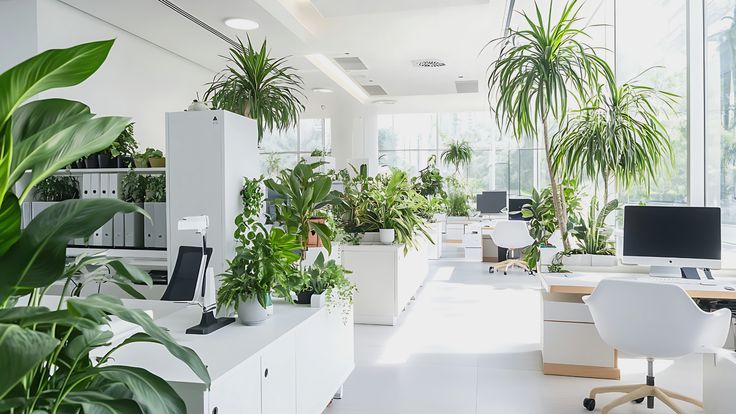
Adding the Best Indoor Plants for Home and Office is one of the easiest ways to make your space feel fresh, beautiful, and welcoming. Indoor plants not only improve the appearance of your home or workplace but also create a relaxing environment that supports better focus, cleaner air, and improved wellbeing.
Many people think indoor gardening is difficult, but that is not true. Most indoor plants require very little care and can thrive even if you are a beginner.
Whether you work from home, spend long hours in an office, or simply want a greener living space, choosing the right indoor plants can make a noticeable difference.
Why Indoor Plants Are Worth Having
Plants do much more than decorate a room.
They bring nature indoors, making spaces feel calm and comfortable.
Some of the biggest benefits include:
- Freshen indoor air
- Reduce stress
- Improve mood
- Increase focus
- Add natural beauty
- Create a peaceful atmosphere
- Require very little maintenance
These benefits make indoor plants an excellent choice for both homes and offices.
Best Indoor Plants for Home and Office
Choosing the right plant depends on your available space, lighting, and how much time you can spend caring for it.
Fortunately, many indoor plants are easy to maintain and stay healthy with minimal attention.
Snake Plant
Snake Plant is one of the most popular indoor plants for beginners.
It grows well in low light and does not require frequent watering.
Its tall green leaves make it an attractive addition to bedrooms, living rooms, and office desks.
This plant is also known for improving indoor air quality.
Money Plant
Money Plant is loved for its beautiful trailing vines and easy maintenance.
It grows well in both water and soil, making it perfect for people who are new to gardening.
Many people also believe it brings good luck and prosperity, making it a common choice for homes and offices.
Peace Lily
Peace Lily is admired for its elegant white flowers and glossy green leaves.
It grows best in indirect sunlight and only needs moderate watering.
Besides adding beauty to your room, it also helps create a fresh and pleasant indoor environment.
Spider Plant
Spider Plant is another excellent option for beginners.
It adapts easily to different indoor conditions and grows quickly.
Its long arching leaves create a stylish look while requiring very little care.
Aloe Vera
Aloe Vera is both decorative and useful.
Its thick leaves contain natural gel that many people use for minor skin irritation.
This plant enjoys bright light and only needs watering when the soil becomes dry.
Pothos
Pothos is famous for its attractive heart shaped leaves.
It grows beautifully in hanging baskets, shelves, or office corners.
Even if you occasionally forget to water it, Pothos continues to grow well.
Lucky Bamboo
Lucky Bamboo adds a modern and elegant touch to indoor spaces.
It grows successfully in water with very little maintenance.
Many people place it near office desks because of its attractive appearance.
Choose Plants Based on Lighting
Different plants need different amounts of light.
Before buying a plant, observe how much natural light your room receives.
Low light rooms are suitable for:
- Snake Plant
- Money Plant
- Peace Lily
- Pothos
Bright rooms work well for:
- Aloe Vera
- Rubber Plant
- Jade Plant
- Areca Palm
Matching plants with the right lighting conditions helps them stay healthy for many years.
Indoor Plants That Improve Office Spaces
Offices often feel busy and stressful.
Adding greenery creates a more comfortable working environment.
Popular office plants include:
- Snake Plant
- ZZ Plant
- Spider Plant
- Lucky Bamboo
- Pothos
These plants require little attention while making workspaces look more inviting.
Easy Care Tips for Beginners
Many first time plant owners worry about making mistakes.
Fortunately, caring for indoor plants is much simpler than most people expect.
Keep these tips in mind:
- Water only when the soil feels dry.
- Place plants where they receive suitable light.
- Remove dry or yellow leaves.
- Use pots with proper drainage.
- Clean leaves occasionally to remove dust.
- Rotate pots every few weeks for even growth.
Small care routines keep plants healthy and attractive.
Avoid Common Indoor Plant Mistakes
Even low maintenance plants can struggle if basic care is ignored.
Some common mistakes include:
- Watering too often.
- Keeping plants in complete darkness.
- Using pots without drainage holes.
- Ignoring pests.
- Choosing plants unsuitable for your room.
Learning these simple lessons helps your plants thrive.
Indoor Plants Improve Mental Wellbeing
Many people notice they feel calmer when surrounded by greenery.
Plants create a peaceful atmosphere that makes homes and offices feel more relaxing.
Looking after plants can also become an enjoyable hobby that reduces daily stress.
Studies have shown that natural environments often support better concentration and emotional wellbeing.
Decorate Every Room Naturally
Indoor plants fit almost every part of your home.
Popular locations include:
- Living room
- Bedroom
- Kitchen
- Study room
- Balcony
- Home office
- Reception area
Using decorative pots can make plants become beautiful design elements while adding warmth to your space.
If you would like help choosing the right plants for your space or need personalized recommendations, feel free to reach out to us through our Contact Us page.
Best Plants for Small Spaces
Not everyone has a large home or office.
Fortunately, many compact plants fit perfectly on desks, shelves, or windowsills.
Good choices include:
- Lucky Bamboo
- Succulents
- Aloe Vera
- Pothos
- Spider Plant
These plants add greenery without taking up much space.
Air Purifying Indoor Plants
Many people choose indoor plants because they help create a fresher environment.
Although no houseplant can completely clean indoor air on its own, plants can contribute to a healthier and more pleasant living space when combined with good ventilation.
Some popular choices include:
- Snake Plant
- Peace Lily
- Spider Plant
- Areca Palm
- Rubber Plant
- Pothos
These plants are widely appreciated for their attractive appearance and ability to thrive indoors.
Pet Friendly Indoor Plants
If you have cats or dogs, choosing safe plants is important.
Some indoor plants can be harmful if pets chew on their leaves.
Pet friendly options include:
- Areca Palm
- Bamboo Palm
- Boston Fern
- Prayer Plant
- Calathea
Before bringing any new plant home, check whether it is safe for your specific pet.
Seasonal Care for Indoor Plants
Plants need slightly different care during different times of the year.
Summer Care
Warm weather may cause soil to dry more quickly.
Check the moisture regularly and water when needed. Keep plants away from harsh afternoon sunlight if the leaves begin to look stressed.
Winter Care
Most indoor plants grow more slowly during colder months.
Reduce watering and avoid placing plants near heaters or cold drafts. Give them as much natural light as possible.
Rainy Season Care
Extra humidity can sometimes encourage fungal problems.
Make sure pots have proper drainage and avoid letting water collect around the roots.
Fertilize Your Plants the Right Way
Indoor plants also need nutrients to stay healthy.
Use a balanced fertilizer during the active growing season according to the instructions on the label.
Too much fertilizer can damage the roots, so it is always better to use the recommended amount rather than adding extra.
Healthy soil and proper watering are just as important as feeding your plants.
Signs That Your Plant Needs Attention
Plants often show clear signs when something is wrong.
Watch for these common symptoms:
- Yellow leaves
- Brown leaf edges
- Drooping stems
- Slow growth
- Dry soil for long periods
- Unpleasant smell from the pot
Identifying these signs early allows you to solve problems before they become serious.
Best Places to Buy Indoor Plants
Healthy plants are easier to grow than unhealthy ones.
You can find quality indoor plants at:
- Local nurseries
- Garden centers
- Home improvement stores
- Trusted online plant shops
- Weekend plant markets
Choose plants with healthy green leaves, strong stems, and no visible pests.
Decorative Ideas for Indoor Plants
Plants become even more attractive when placed thoughtfully around your home or office.
You can decorate your space by:
- Placing a large plant near the entrance.
- Using hanging planters in the living room.
- Keeping small plants on your work desk.
- Arranging different plants on open shelves.
- Decorating window corners with flowering plants.
Combining different sizes and leaf shapes creates a natural and elegant look.
Long Term Benefits of Indoor Gardening
Indoor gardening is more than just a decorating trend.
People who care for plants often enjoy a more relaxing environment and develop a rewarding hobby.
Long term benefits include:
- More attractive living spaces
- Better connection with nature
- Improved mood
- Greater appreciation for gardening
- More enjoyable work environments
- Beautiful home decoration throughout the year
Even a few well cared for plants can completely change the feeling of a room.
Choosing the Right Plant for Your Lifestyle
Not every plant suits every person.
If you travel often, choose plants that require little watering.
If your home receives plenty of sunlight, you have a wider variety of plants to choose from.
Beginners should always start with easy care plants before trying more delicate varieties.
Selecting plants that match your lifestyle increases your chances of success.
Create Your Own Indoor Garden
You do not need a large house to enjoy indoor gardening.
Start with one or two plants and learn how to care for them.
As your confidence grows, you can gradually add more varieties and create a beautiful green corner that reflects your personality.
A collection of healthy plants brings freshness, comfort, and natural beauty to every room.
Frequently Asked Questions
Which are the Best Indoor Plants for Home and Office?
Some of the best choices include Snake Plant, Money Plant, Peace Lily, Spider Plant, Aloe Vera, Pothos, and Areca Palm. These plants are attractive, easy to maintain, and suitable for most indoor spaces. They are ideal for both beginners and experienced plant lovers.
Which indoor plant is easiest to maintain?
Snake Plant is considered one of the easiest indoor plants to care for. It grows well in low light and does not need frequent watering. This makes it a great option for busy people and first time plant owners.
How often should I water indoor plants?
Most indoor plants should only be watered when the top layer of soil feels dry. Watering schedules depend on the plant type, season, and indoor temperature. Overwatering is one of the most common reasons indoor plants become unhealthy.
Can indoor plants improve air quality?
Indoor plants can contribute to a fresher indoor environment and make rooms feel more pleasant. While they should not replace proper ventilation, they can be part of a healthy indoor space. Combining plants with good airflow provides the best results.
Which indoor plants are good for office desks?
Compact plants such as Lucky Bamboo, Pothos, Spider Plant, Snake Plant, and small succulents work well on office desks. They require little maintenance and add a refreshing natural touch to the workspace. Their compact size also makes them suitable for small offices.
Are indoor plants good for beginners?
Yes. Many indoor plants are easy to grow and require only basic care. Starting with low maintenance varieties such as Snake Plant, Money Plant, or Pothos helps beginners gain confidence. As you become more experienced, you can gradually expand your indoor garden.