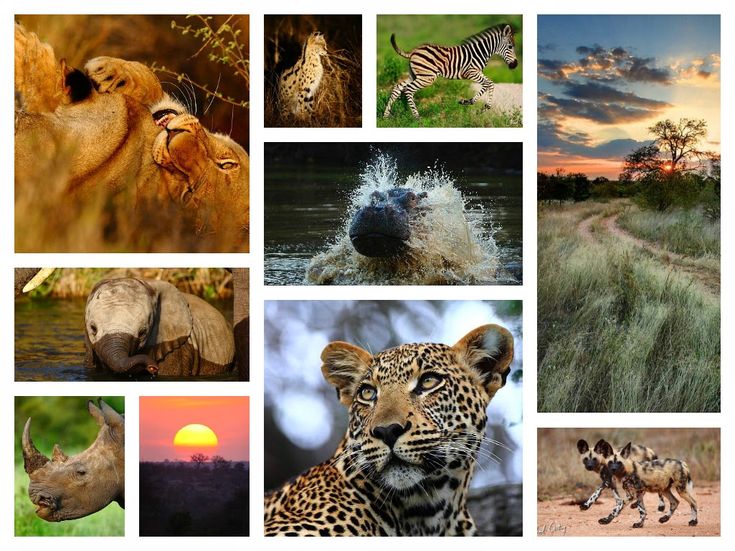
The Best Wildlife National Parks in India offer unforgettable experiences for nature lovers, photographers, and adventure seekers. These protected forests are home to majestic tigers, elephants, rhinos, leopards, birds, and countless other species. Visiting these parks allows you to experience India’s incredible biodiversity while supporting wildlife conservation.
From dense forests and grasslands to wetlands and mountain landscapes, every national park has its own natural beauty. Whether you are planning your first wildlife safari or looking for your next adventure, India has many remarkable destinations worth exploring.
Why Visit Wildlife National Parks in India
National parks protect endangered wildlife while giving visitors a chance to experience nature in its purest form.
They also promote conservation, environmental awareness, and responsible tourism.
Some reasons to visit include:
- Experience wildlife in natural habitats
- Enjoy exciting jungle safaris
- Discover rare birds and animals
- Capture beautiful nature photographs
- Learn about wildlife conservation
- Spend time away from busy cities
- Explore beautiful forests and landscapes
Every visit creates lasting memories while supporting nature conservation.
Best Wildlife National Parks in India
India has more than one hundred national parks.
Each offers unique landscapes and different wildlife experiences.
Jim Corbett National Park
Located in Uttarakhand, Jim Corbett National Park is India’s oldest national park.
It is famous for Bengal Tigers, elephants, deer, crocodiles, and hundreds of bird species.
Visitors enjoy exciting jeep safaris through forests and river valleys.
Ranthambore National Park
Ranthambore in Rajasthan is one of the best places to see Bengal Tigers in the wild.
Ancient ruins, lakes, and dense forests make every safari exciting.
Wildlife photographers from around the world visit this park throughout the safari season.
Kaziranga National Park
Kaziranga National Park in Assam is famous for the Indian One Horned Rhinoceros.
The park also protects elephants, wild buffalo, swamp deer, and many bird species.
Its grasslands provide one of the finest wildlife experiences in Asia.
Bandhavgarh National Park
Bandhavgarh in Madhya Pradesh has one of the highest tiger populations in India.
Visitors also spot leopards, deer, wild boar, and many colorful birds.
The ancient Bandhavgarh Fort adds historical interest to every visit.
Kanha National Park
Kanha National Park inspired many wildlife lovers through its beautiful forests.
It is home to tigers, leopards, barasingha deer, and numerous bird species.
Its peaceful landscapes attract both photographers and nature enthusiasts.
Sundarbans National Park
Located in West Bengal, Sundarbans is famous for its mangrove forests.
This unique ecosystem is home to the Royal Bengal Tiger along with crocodiles, fishing cats, and many aquatic birds.
Boat safaris provide a completely different wildlife experience.
Periyar National Park
Periyar in Kerala is well known for elephants and scenic lake cruises.
Visitors often observe wildlife while enjoying peaceful boat rides through the reserve.
The surrounding forests remain green throughout much of the year.
Gir National Park
Gir National Park in Gujarat is the only natural home of the Asiatic Lion.
Besides lions, visitors may also encounter leopards, hyenas, deer, and numerous bird species.
Gir represents one of India’s greatest wildlife conservation success stories.
Wildlife You Can See
Different parks protect different animal species.
Common wildlife includes:
- Bengal Tiger
- Asiatic Lion
- Indian Elephant
- One Horned Rhinoceros
- Leopard
- Sloth Bear
- Deer
- Wild Buffalo
- Crocodile
- Peacock
Every safari offers unique wildlife sightings depending on the season and location.
Best Time to Visit National Parks
Weather plays an important role during wildlife trips.
Most parks are best visited between October and June when safari routes remain open.
Summer often provides better wildlife sightings because animals gather near water sources.
Always check the opening schedule before planning your visit.
Safari Tips for First Time Visitors
Preparing before your safari improves the overall experience.
Remember these simple tips:
- Wear comfortable clothing.
- Carry binoculars.
- Bring a camera.
- Follow your guide’s instructions.
- Stay quiet during wildlife sightings.
- Respect park rules.
- Avoid littering.
Patience often rewards visitors with unforgettable wildlife encounters.
Importance of Wildlife Conservation
National parks help protect endangered species from habitat loss and illegal hunting.
Conservation efforts also preserve forests, rivers, and natural ecosystems for future generations.
Responsible tourism supports these important conservation programs.
If you would like help planning your wildlife adventure or choosing the right national park, feel free to reach out to us through our Contact Us page.
Enjoy Nature Responsibly
Every visitor shares responsibility for protecting wildlife.
Simple actions such as respecting park rules, avoiding plastic waste, and maintaining a safe distance from animals help preserve these beautiful places for years to come.
Nature offers its greatest rewards to those who respect it.
Best National Parks for Bird Watching
India is home to thousands of bird species, making it one of the best destinations for bird lovers.
Several national parks provide excellent opportunities to observe both resident and migratory birds throughout the year.
Popular parks for bird watching include:
- Keoladeo National Park
- Kaziranga National Park
- Periyar National Park
- Jim Corbett National Park
- Sundarbans National Park
- Hemis National Park
Visitors may spot colorful kingfishers, hornbills, eagles, owls, peacocks, cranes, and many migratory birds depending on the season.
Wildlife Photography Tips
Capturing wildlife requires patience and preparation.
Animals move naturally, so every photograph tells a unique story.
Keep these tips in mind:
- Carry a camera with good zoom capability.
- Keep your movements slow and quiet.
- Respect wildlife and maintain a safe distance.
- Use natural light whenever possible.
- Follow your guide’s instructions.
- Avoid disturbing animals for photographs.
Sometimes the best picture comes after patiently waiting for the perfect moment.
Family Friendly National Parks
Many national parks are excellent destinations for family vacations.
Children can learn about wildlife while enjoying exciting safari experiences.
Some family friendly parks include:
- Jim Corbett National Park
- Ranthambore National Park
- Kanha National Park
- Periyar National Park
- Kaziranga National Park
- Gir National Park
These parks combine education, adventure, and beautiful natural surroundings.
Responsible Wildlife Tourism
Responsible tourism helps protect wildlife and natural habitats.
Every visitor plays an important role in conservation.
You can contribute by:
- Following park rules.
- Staying inside designated safari routes.
- Avoiding loud noises.
- Never feeding wild animals.
- Carrying reusable water bottles.
- Keeping forests clean.
- Respecting local communities.
These simple actions help preserve wildlife for future generations.
Pack Smart for Your Safari
Packing properly makes your wildlife trip more comfortable.
Useful items include:
- Comfortable clothing
- Hat
- Sunglasses
- Sunscreen
- Water bottle
- Camera
- Binoculars
- Small backpack
- Personal medicines
Traveling light allows you to enjoy your safari without unnecessary inconvenience.
Why Wildlife Tourism Matters
Wildlife tourism supports conservation while creating employment opportunities for local communities.
Tourism revenue helps maintain national parks, protect endangered species, and improve visitor facilities.
It also increases awareness about the importance of protecting forests and biodiversity.
Every responsible visitor contributes to preserving India’s natural heritage.
Respect Nature During Every Visit
Wild animals should always be observed in their natural environment without interference.
Keeping a safe distance protects both visitors and wildlife.
Respecting nature ensures that future generations can continue enjoying these incredible national parks.
Create Lifelong Memories
Every national park offers a different adventure.
One trip may bring the excitement of spotting a tiger, while another may reward you with rare birds or peaceful forest landscapes.
Each safari teaches patience, appreciation for nature, and the importance of protecting wildlife.
Whether you are traveling alone, with friends, or with family, exploring India’s national parks creates unforgettable memories that last a lifetime.
Frequently Asked Questions
Which are the Best Wildlife National Parks in India?
Some of the best wildlife national parks include Jim Corbett National Park, Ranthambore National Park, Kaziranga National Park, Kanha National Park, Bandhavgarh National Park, Gir National Park, Periyar National Park, and Sundarbans National Park. Each offers unique wildlife experiences and beautiful natural landscapes. Choosing the right park depends on the animals you wish to see.
Which national park is best for tiger sightings in India?
Ranthambore National Park, Bandhavgarh National Park, Kanha National Park, and Jim Corbett National Park are among the most popular destinations for tiger sightings. Wildlife sightings always depend on natural conditions, but these parks provide excellent opportunities during the safari season.
What is the best time to visit wildlife national parks in India?
Most national parks are best visited between October and June when the weather is pleasant and safari routes remain open. Summer months often improve wildlife sightings because animals gather near water sources. Always confirm the opening schedule before planning your visit.
Which national park is famous for Asiatic Lions?
Gir National Park in Gujarat is the only natural habitat of the Asiatic Lion. Successful conservation efforts have helped increase the lion population over the years. It remains one of India’s most important wildlife destinations.
Are wildlife safaris safe for families?
Yes. Safaris are generally safe when visitors follow park rules and remain with authorized guides. Families should stay inside safari vehicles and avoid disturbing wildlife. Responsible behavior ensures a safe and enjoyable experience for everyone.
Why are national parks important for wildlife conservation?
National parks protect endangered animals, preserve natural habitats, and maintain ecological balance. They also support scientific research, environmental education, and responsible tourism. Conservation efforts in these protected areas help ensure that future generations can continue experiencing India’s remarkable wildlife.