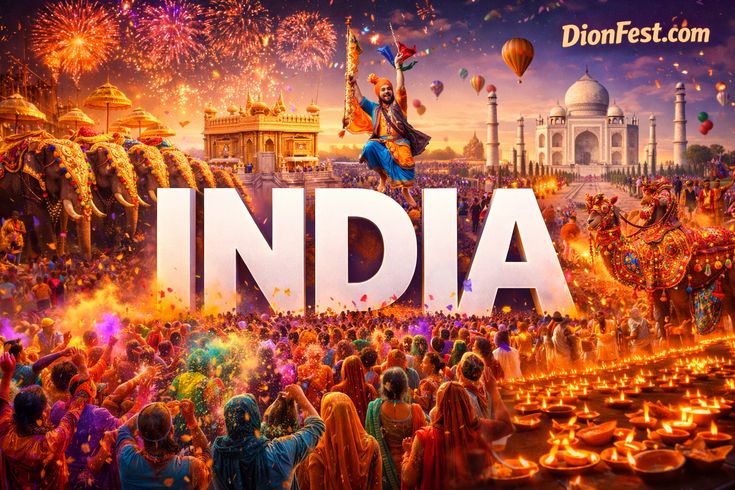
India is known for its rich traditions, colorful celebrations, and incredible cultural diversity. The Famous Festivals of India bring people together, strengthen relationships, and preserve traditions that have been passed down through generations. Every festival reflects unique customs, beliefs, and values that make Indian culture truly special.
From vibrant celebrations filled with lights and music to peaceful religious ceremonies, every festival tells a meaningful story. Families gather, communities celebrate together, and people from different backgrounds share happiness and respect for one another.
Whether you live in India or are planning to visit, understanding these festivals helps you appreciate the country’s rich cultural heritage.
Why Festivals Are an Important Part of Indian Culture
Festivals are much more than public holidays.
They bring families together, encourage kindness, and remind people of important cultural values.
Celebrations also preserve traditions that have existed for centuries.
Some of the biggest reasons festivals remain important include:
- Strengthen family relationships
- Preserve cultural traditions
- Promote unity and harmony
- Encourage charity and kindness
- Support local businesses
- Celebrate seasonal changes
- Pass traditions to younger generations
Every festival carries its own message while contributing to India’s cultural identity.
Famous Festivals of India That Everyone Should Experience
India celebrates hundreds of festivals every year.
Some are celebrated nationwide, while others are unique to specific states and communities.
Diwali
Diwali is one of the most celebrated festivals in India.
Known as the Festival of Lights, it symbolizes the victory of light over darkness and good over evil.
Families decorate their homes with lamps, prepare delicious sweets, exchange gifts, and perform prayers for prosperity.
Children enjoy fireworks while relatives gather to celebrate together.
Holi
Holi is celebrated with colors, music, and joy.
People apply colorful powders to one another and enjoy festive foods with family and friends.
Holi represents happiness, forgiveness, and the arrival of spring.
It encourages people to forget old differences and begin new friendships.
Eid
Eid is an important festival celebrated by Muslims across India.
Families gather for prayers, prepare delicious meals, and share gifts with loved ones.
Acts of charity and helping those in need are important parts of the celebration.
Eid highlights compassion, gratitude, and generosity.
Christmas
Christmas is celebrated with great enthusiasm across many parts of India.
Churches are beautifully decorated, families exchange gifts, and children look forward to festive celebrations.
The festival spreads messages of peace, hope, kindness, and love.
Navratri
Navratri is celebrated over nine days with devotion, music, and traditional dances.
Many people observe fasting while participating in cultural events.
Garba and Dandiya dances create a joyful atmosphere in many states, especially Gujarat.
Durga Puja
Durga Puja is one of the biggest festivals in eastern India.
Beautiful artistic decorations, cultural performances, and religious ceremonies attract millions of visitors.
The festival celebrates the victory of good over evil through the worship of Goddess Durga.
Ganesh Chaturthi
Ganesh Chaturthi honors Lord Ganesha.
Beautiful idols are installed in homes and public spaces where prayers and celebrations take place.
The festival concludes with colorful immersion processions filled with music and devotion.
Pongal
Pongal is an important harvest festival celebrated mainly in Tamil Nadu.
Families prepare traditional dishes, decorate their homes, and express gratitude for a successful harvest.
The celebration reflects the close relationship between agriculture and Indian culture.
Festivals Bring People Together
One of the greatest strengths of Indian festivals is their ability to unite communities.
People from different religions and backgrounds often participate in each other’s celebrations.
This mutual respect strengthens social harmony and promotes understanding.
Festivals remind everyone that happiness becomes greater when shared.
Cultural Importance of Indian Festivals
Every celebration teaches valuable life lessons.
Some festivals encourage gratitude, while others promote forgiveness, courage, generosity, or respect for nature.
Important cultural values include:
- Respect for elders
- Family unity
- Community cooperation
- Spiritual growth
- Charity
- Gratitude
- Compassion
These values continue to shape Indian society across generations.
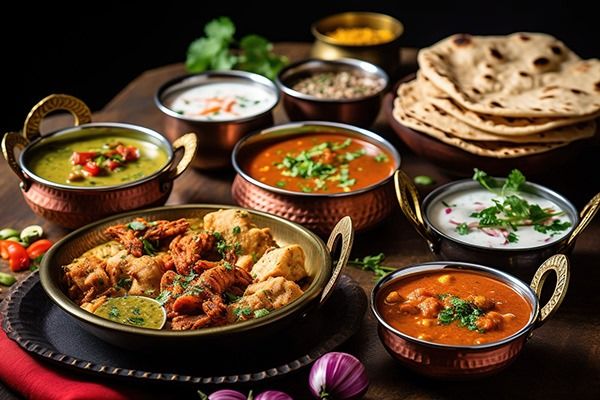
Traditional Food During Festivals
Food is an important part of every celebration.
Different regions prepare unique dishes that reflect local traditions.
Popular festive foods include:
- Ladoo
- Kheer
- Gujiya
- Modak
- Biryani
- Payasam
- Puran Poli
- Sheer Khurma
Sharing meals strengthens relationships and creates joyful memories.
Traditional Clothing Adds Beauty
Festivals are also known for colorful traditional clothing.
People often wear beautiful outfits to celebrate special occasions.
Popular choices include:
- Saree
- Kurta
- Sherwani
- Lehenga
- Dhoti
- Salwar Kameez
Traditional clothing reflects India’s rich artistic heritage and cultural diversity.
Festivals Support Local Businesses
Celebrations create opportunities for many small businesses.
Markets become busy with shoppers purchasing clothing, decorations, sweets, flowers, and gifts.
Local artisans also benefit from increased demand for handmade products.
Festivals therefore contribute to both cultural preservation and economic growth.
Respect Every Tradition
India’s diversity is one of its greatest strengths.
Every festival deserves respect regardless of personal beliefs.
Learning about different traditions helps people appreciate cultural diversity and promotes peaceful coexistence.
If you would like to learn more about Indian traditions or need travel recommendations during festival seasons, feel free to reach out to us through our Contact Us page.
Celebrate Responsibly
Modern celebrations should balance tradition with responsibility.
Simple practices make festivals more enjoyable for everyone.
Consider:
- Keeping public spaces clean
- Respecting local customs
- Avoiding unnecessary waste
- Supporting local artisans
- Celebrating safely
- Helping people in need
Responsible celebrations preserve traditions while protecting communities and the environment.
Regional Festivals Across India
India celebrates hundreds of regional festivals that reflect the traditions, history, and lifestyle of different states. These celebrations make every part of the country unique and exciting to explore.
Some popular regional festivals include:
- Bihu in Assam
- Onam in Kerala
- Hornbill Festival in Nagaland
- Losar in Ladakh
- Makar Sankranti in many Indian states
- Chhath Puja in Bihar and Uttar Pradesh
- Teej in Rajasthan
- Baisakhi in Punjab
Each festival has its own customs, music, food, and traditional celebrations that showcase the diversity of Indian culture.
Best Festivals for Tourists
Many travelers plan their trips around famous festivals to experience India’s vibrant traditions.
Some of the best festivals for visitors include:
- Diwali for spectacular lights and celebrations
- Holi for colorful festivities
- Durga Puja for artistic decorations
- Navratri for Garba and Dandiya dances
- Onam for cultural performances and traditional meals
- Hornbill Festival for tribal culture
- Pushkar Camel Fair for local traditions and shopping
These festivals allow visitors to experience Indian hospitality, music, food, and cultural performances in one place.
Travel Tips During Festival Seasons
Festival periods attract large crowds, so planning ahead makes your trip much more enjoyable.
Keep these travel tips in mind:
- Book hotels well in advance.
- Reserve transportation early.
- Carry comfortable clothing.
- Respect local customs.
- Keep your belongings secure.
- Arrive early at popular attractions.
- Stay hydrated during outdoor celebrations.
- Follow local safety instructions.
Good planning helps you enjoy every celebration without unnecessary stress.
How Festivals Preserve Indian Culture
Festivals play an important role in protecting India’s cultural heritage.
Children learn traditions by participating in family celebrations, listening to stories, and observing customs followed by older generations.
Many festivals also preserve traditional music, dance, art, crafts, and regional cuisine.
Without these celebrations, many valuable cultural practices could gradually disappear over time.
Festivals Encourage Unity
One of the most beautiful aspects of Indian festivals is the spirit of togetherness.
Neighbors visit one another, families reunite, and communities celebrate regardless of differences.
Acts of kindness, sharing food, and helping people in need become common during festive occasions.
These celebrations strengthen social bonds and encourage mutual respect.
Importance of Traditional Arts
Festival celebrations provide opportunities for artists and craftsmen to showcase their talents.
Many traditional art forms become especially popular during festivals.
Examples include:
- Rangoli
- Classical dance performances
- Folk music
- Handcrafted decorations
- Pottery
- Textile weaving
- Idol making
Supporting these artists helps preserve India’s rich artistic heritage for future generations.
Simple Ways to Celebrate Responsibly
Modern celebrations can remain joyful while protecting the environment.
You can celebrate responsibly by:
- Choosing eco friendly decorations
- Reducing plastic waste
- Supporting local businesses
- Respecting public spaces
- Conserving water and electricity
- Participating in community celebrations
These small efforts help preserve both cultural traditions and the environment.
Why Everyone Should Experience Indian Festivals
Experiencing Indian festivals offers much more than entertainment.
You witness traditions, taste authentic regional food, enjoy cultural performances, and connect with people from different backgrounds.
Whether you are visiting a grand city celebration or a small village festival, every experience provides meaningful memories and a deeper appreciation for India’s cultural diversity.
Every festival reminds us that joy becomes greater when it is shared with others.
Frequently Asked Questions
Which are the most Famous Festivals of India?
Some of the most famous festivals include Diwali, Holi, Eid, Christmas, Navratri, Durga Puja, Ganesh Chaturthi, Onam, Pongal, and Baisakhi. These celebrations are observed across different parts of the country and reflect India’s cultural and religious diversity. Each festival has its own traditions and significance.
Why are festivals important in Indian culture?
Festivals strengthen family relationships, preserve traditions, and promote unity among communities. They also encourage kindness, gratitude, charity, and respect for cultural values. These celebrations help pass important customs from one generation to the next.
Which festival is best for tourists visiting India?
Many tourists enjoy experiencing Diwali, Holi, Durga Puja, Navratri, and the Pushkar Camel Fair. These festivals offer colorful celebrations, traditional food, cultural performances, and unique local experiences. Planning your visit during these events makes your trip even more memorable.
How do Indian festivals help local communities?
Festivals create employment opportunities for artisans, shop owners, performers, and local businesses. Markets become busy with the sale of clothing, decorations, sweets, gifts, and handmade products. This supports local economies while preserving traditional crafts.
What should tourists keep in mind during Indian festivals?
Travelers should respect local customs, dress appropriately when visiting religious places, and book transportation and accommodation in advance. Keeping personal belongings safe and following local guidelines also helps ensure a comfortable experience. Being respectful allows visitors to enjoy the celebrations fully.
How do festivals preserve India’s cultural heritage?
Festivals keep traditional music, dance, food, clothing, rituals, and storytelling alive. Families teach younger generations about customs through participation in celebrations. This helps preserve India’s rich cultural heritage while strengthening community bonds for the future.