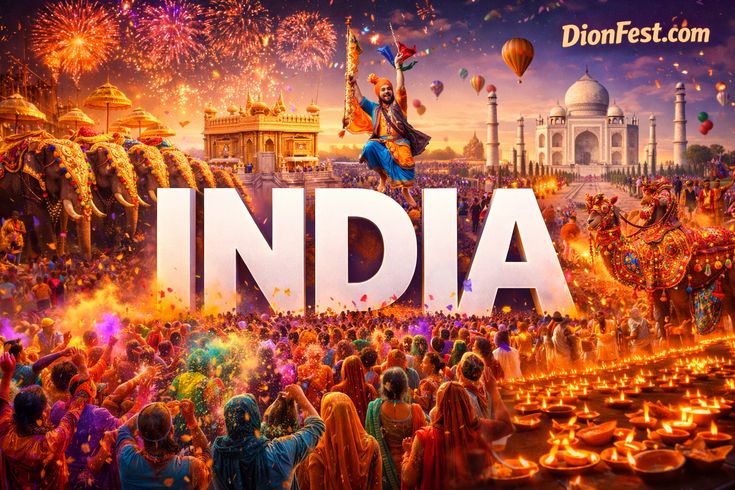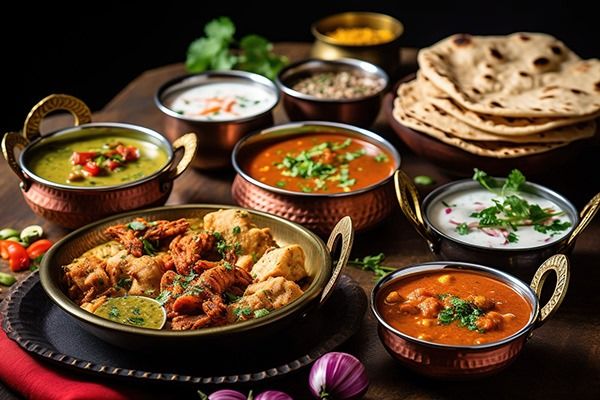
Indian Food Culture is one of the richest and most diverse culinary traditions in the world. Every state has its own unique flavors, cooking methods, ingredients, and traditional recipes that reflect its history, climate, and culture. Exploring Indian cuisine is like taking a journey through the country’s incredible diversity.
Food in India is more than just a daily necessity. It is closely connected with festivals, family gatherings, religious beliefs, and local traditions. Every meal tells a story that has been passed down through generations.
Whether you love spicy dishes, sweet desserts, or comforting home cooked meals, every region of India has something special to offer.
Why Indian Food Is So Diverse
India’s geography, climate, agriculture, and cultural history have shaped its food traditions.
Different regions grow different crops, use different spices, and follow unique cooking techniques.
This diversity has created one of the most exciting food cultures in the world.
Some reasons behind India’s rich cuisine include:
- Regional agriculture
- Traditional cooking methods
- Religious influences
- Seasonal ingredients
- Historical trade
- Local customs
- Family recipes
These factors make every state’s cuisine unique.
Indian Food Culture Across Different States
Traveling across India allows you to experience completely different flavors in every region.
Each state proudly preserves its traditional dishes while adding its own local touch.
Rajasthan
Rajasthan is famous for rich and flavorful dishes that were developed to suit its desert climate.
Popular foods include:
- Dal Baati Churma
- Gatte Ki Sabzi
- Ker Sangri
- Bajra Roti
- Ghewar
Traditional Rajasthani meals are known for their bold spices and satisfying flavors.
Punjab
Punjabi cuisine is loved across India for its hearty meals.
Popular dishes include:
- Sarson Ka Saag
- Makki Ki Roti
- Chole Bhature
- Butter Chicken
- Lassi
Punjabi food often features generous use of butter, dairy products, and fresh ingredients.
Gujarat
Gujarati cuisine offers a wonderful balance of sweet, spicy, and tangy flavors.
Famous dishes include:
- Dhokla
- Khandvi
- Thepla
- Undhiyu
- Fafda
Many traditional Gujarati meals are vegetarian and prepared with seasonal vegetables.
Maharashtra
Maharashtra offers both spicy street food and comforting traditional meals.
Popular choices include:
- Vada Pav
- Misal Pav
- Pav Bhaji
- Puran Poli
- Modak
Each region within the state has its own culinary specialties.
Kerala
Kerala cuisine is famous for coconut based dishes and aromatic spices.
Some favorite dishes include:
- Appam
- Puttu
- Avial
- Fish Curry
- Payasam
Fresh coconut, curry leaves, and black pepper play important roles in many recipes.
Tamil Nadu
Tamil Nadu is well known for delicious breakfast dishes and traditional meals served on banana leaves.
Popular foods include:
- Idli
- Dosa
- Sambar
- Pongal
- Rasam
Simple ingredients create flavorful and nutritious meals enjoyed throughout the state.
West Bengal
West Bengal is famous for both seafood and sweets.
Traditional dishes include:
- Macher Jhol
- Shorshe Ilish
- Luchi
- Sandesh
- Rasgulla
Bengali cuisine beautifully combines subtle spices with fresh ingredients.
Uttar Pradesh
Uttar Pradesh offers a variety of rich traditional dishes.
Popular foods include:
- Awadhi Biryani
- Kebabs
- Bedmi Puri
- Kachori
- Petha
Lucknow is especially famous for its royal culinary heritage.
Popular Street Food Across India
Street food forms an important part of Indian Food Culture.
Every city has its own famous specialties.
Some favorites include:
- Pani Puri
- Bhel Puri
- Pav Bhaji
- Chole Kulche
- Samosa
- Kachori
- Dabeli
- Momos
Street food reflects local creativity and attracts both residents and tourists.
Traditional Indian Spices
Indian cuisine is known worldwide for its spices.
Some commonly used spices include:
- Turmeric
- Cumin
- Coriander
- Cardamom
- Cinnamon
- Cloves
- Black Pepper
- Mustard Seeds
These ingredients provide aroma, color, and depth of flavor.
Food and Festivals
Many Indian festivals have traditional dishes that are prepared only during special occasions.
Examples include:
- Gujiya during Holi
- Modak during Ganesh Chaturthi
- Seviyan during Eid
- Ladoo during Diwali
- Pongal during Pongal festival
- Puran Poli during several regional celebrations
These dishes strengthen family traditions and create lasting memories.
Healthy Side of Indian Cuisine
Indian food includes many nutritious ingredients.
Meals often contain:
- Lentils
- Vegetables
- Whole grains
- Yogurt
- Fresh herbs
- Seasonal fruits
Balanced home cooked meals provide both taste and nutrition.
Regional Cooking Methods
Different states also use unique cooking techniques.
Some common methods include:
- Slow cooking
- Steaming
- Roasting
- Clay pot cooking
- Tandoor cooking
- Shallow frying
These methods contribute to the distinct flavors found across Indian cuisine.
If you would like recommendations for regional food experiences or travel planning, feel free to reach out to us through our Contact Us page.
Food Brings Families Together
Meals play an important role in Indian households.
Families often gather around the dining table to share food, stories, and celebrations.
Many recipes are passed from grandparents to younger generations, keeping traditions alive for years.
Famous Sweets From Different States
No discussion about Indian Food Culture is complete without mentioning traditional sweets.
Every state has signature desserts that are closely connected with festivals, celebrations, and family gatherings.
Some famous sweets include:
- Rasgulla from West Bengal
- Ghewar from Rajasthan
- Mysore Pak from Karnataka
- Petha from Uttar Pradesh
- Sandesh from West Bengal
- Modak from Maharashtra
- Payasam from Kerala
- Kaju Katli enjoyed across India
These desserts reflect the creativity and rich culinary heritage of different regions.
Vegetarian Specialties Across India
India is one of the best destinations for vegetarian food lovers.
Every state offers delicious plant based meals prepared with fresh vegetables, lentils, grains, and spices.
Popular vegetarian dishes include:
- Dal Baati Churma
- Chole Bhature
- Dhokla
- Idli
- Dosa
- Rajma Chawal
- Kadhi
- Undhiyu
- Baingan Bharta
- Vegetable Biryani
These meals are nutritious, satisfying, and full of flavor.
Food Etiquette in India
Understanding local food customs makes every dining experience more enjoyable.
Some common practices include:
- Wash your hands before eating.
- Respect local traditions.
- Accept food with gratitude.
- Avoid wasting food.
- Share meals with family whenever possible.
- Try local dishes with an open mind.
These simple habits reflect respect for Indian hospitality and culture.
Tips for Food Travelers
Exploring regional cuisine becomes easier with a little planning.
Keep these helpful tips in mind:
- Visit popular local restaurants.
- Taste authentic regional dishes.
- Ask local people for recommendations.
- Choose clean and hygienic food stalls.
- Drink safe drinking water.
- Try seasonal specialties.
- Learn about traditional ingredients.
Following these tips helps you enjoy India’s incredible food culture safely and confidently.
Why Indian Cuisine Is Loved Around the World
Indian food has gained international popularity because of its variety and rich flavors.
Restaurants serving Indian cuisine can now be found in almost every major country.
People appreciate Indian food because it offers:
- Rich flavors
- Fresh ingredients
- Wide vegetarian choices
- Traditional cooking methods
- Regional diversity
- Colorful presentation
- Aromatic spices
Every meal provides a unique culinary experience.
Food Reflects India’s Diversity
One of the greatest strengths of Indian Food Culture is its diversity.
Moving from one state to another often means discovering completely different ingredients, cooking styles, and traditional recipes.
This incredible variety keeps Indian cuisine exciting for both local residents and international visitors.
Traditional Recipes Continue Through Generations
Many Indian families proudly preserve recipes that have been handed down for decades.
Grandparents often teach younger family members how to prepare traditional meals using simple ingredients and time tested techniques.
These family recipes help preserve regional identity and cultural heritage.
Explore India Through Its Food
Travel becomes even more meaningful when you experience local cuisine.
Trying traditional dishes helps you understand the customs, agriculture, and history of each region.
Whether you enjoy spicy curries, comforting breads, flavorful rice dishes, or delicious sweets, every meal offers a new cultural experience.
Food has a unique way of bringing people together regardless of language or background.
Celebrate Indian Food Every Day
Indian cuisine is much more than famous recipes.
It represents hospitality, family traditions, celebrations, and the incredible diversity of the country.
Every state contributes its own unique flavors, making Indian Food Culture one of the richest culinary traditions in the world.
Exploring these regional specialties allows you to appreciate the beauty of India’s history, people, and traditions one meal at a time.
Frequently Asked Questions
What is Indian Food Culture?
Indian Food Culture refers to the wide variety of traditional foods, cooking methods, ingredients, and eating customs found across different states of India. It reflects the country’s geography, history, religion, and cultural diversity. Every region has its own unique culinary identity.
Which state has the best food in India?
Every state offers something special, making it difficult to choose one as the best. Punjab is known for rich meals, Rajasthan for traditional dishes, Kerala for coconut based cuisine, Gujarat for vegetarian specialties, and West Bengal for sweets and seafood. The best choice depends on personal taste.
Why is Indian cuisine so diverse?
India has different climates, crops, languages, traditions, and cultural influences across its states. These differences have created a wide variety of regional cuisines with unique ingredients and cooking techniques. This diversity makes Indian food one of the most exciting cuisines in the world.
Which Indian state is famous for vegetarian food?
Gujarat, Rajasthan, and several parts of South India are especially famous for delicious vegetarian cuisine. These regions offer a wide range of nutritious dishes prepared with vegetables, lentils, grains, and traditional spices. Vegetarian travelers have plenty of excellent options throughout India.
What are the most popular Indian dishes?
Some of the most popular dishes include Biryani, Butter Chicken, Dal Baati Churma, Dosa, Idli, Chole Bhature, Pav Bhaji, Rajma Chawal, Vada Pav, and Dhokla. These dishes are enjoyed across India and have also become popular internationally.
Why should travelers explore regional food in India?
Regional cuisine provides a deeper understanding of local traditions, history, and culture. Every state offers unique recipes that cannot be fully experienced anywhere else. Exploring local food makes travel more memorable while supporting regional restaurants and traditional cooking practices.